Home › Common Problems › Leaking or Failing Shower Pan
Leaking or Failing Shower Pan
in Minneapolis, MN
The shower pan is the last line of defense between your daily shower and the structural framing of your Minneapolis home, and it's a component that fails silently and expensively. Many Minneapolis homes built in the 1960s through 1980s used lead or hot-mopped rubber shower pans that have long exceeded their service life, while fiberglass units from the same era have developed stress cracks from decades of use. Because Minneapolis subfloors are often oriented strand board or plank-over-joist systems, a slow shower pan leak can rot an entire subfloor bay before any visible signs appear at the surface.
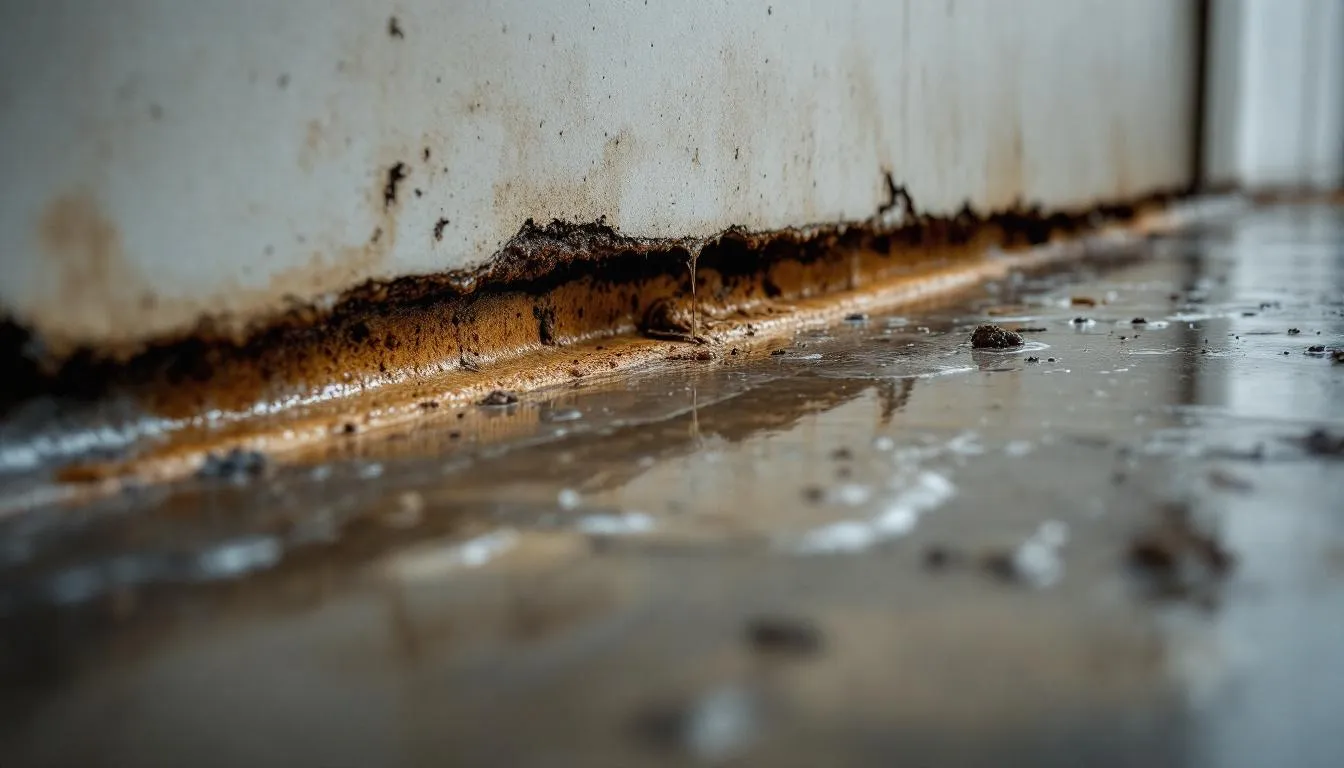
Telltale Signs
Warning Signs to Watch For
- Soft, spongy, or bouncy feeling underfoot when stepping into the shower
- Visible cracks or crazing in a fiberglass or acrylic shower floor
- Water stains or active drips on the ceiling of the room directly below the bathroom
- Grout or caulk at the shower floor perimeter cracking and separating repeatedly
- A musty smell coming from inside the wall near the shower drain
- Flooring outside the shower curling, bubbling, or staining near the shower threshold
Root Causes
What Causes Leaking or Failing Shower Pan?
Aged Fiberglass or Acrylic Pan Cracking
Fiberglass shower pans installed in Minneapolis homes from the 1970s through 1990s have reached and exceeded their typical service life. The gel coat surface becomes brittle from decades of cleaning products and Minnesota's dry winter air, leading to stress fractures that allow water to pass through the pan and into the subfloor assembly.
The Fix
Fiberglass Pan Replacement
The cracked unit is removed, the subfloor and framing are inspected and repaired as needed, and a new code-compliant shower base — either a modern acrylic unit or a custom-tiled mud-bed floor — is installed with proper slope to drain. A waterproof membrane applied beneath the new floor ensures long-term protection.
Failed Hot-Mop or Lead Pan
Minneapolis homes built before 1970 frequently have shower pans made from hot-mopped felt-and-tar or lead sheet — materials that were standard practice but have a finite lifespan. Minneapolis's freeze-thaw cycles cause slight seasonal movement in the home's structure that, over 50-plus years, tears seams and penetrations in these pans, creating weep-hole blockages and perimeter leaks.
The Fix
Custom Mud-Bed Shower Floor with Waterproof Membrane
The old pan material is completely removed, the shower floor is rebuilt with a properly sloped mortar bed, and a modern CPE or PVC liner — or a liquid-applied waterproof membrane system — is installed with fabric-reinforced corners. This modern assembly is code-compliant, far more durable, and compatible with the structural movement typical in aging Minneapolis homes.
Caulk Joint Failure at Pan Perimeter
The joint where the shower pan meets the surrounding wall tile or surround is a critical control joint that must remain flexible to handle the slight daily movement of the structure. In Minneapolis, seasonal wood movement in framing and subfloors is significant, and when this joint is grouted instead of caulked — or when caulk ages past its service life — it cracks open and channels water directly beneath the pan.
The Fix
Perimeter Control Joint Recaulking
Failed grout or caulk is completely removed from the pan-to-wall joint, the gap is cleaned and allowed to dry thoroughly, and a mold-resistant 100% silicone caulk rated for wet areas is tooled into the joint. Unlike grout, silicone remains flexible through Minneapolis's seasonal movement cycles and will not crack and admit water.
Self-Diagnosis
Which Cause Applies to You?
Check the signs you're observing to narrow down the likely root cause before your inspection.
| What You're Seeing | Aged Fiberglass or Acrylic Pan Cracking | Failed Hot-Mop or Lead Pan | Caulk Joint Failure at Pan Perimeter |
|---|---|---|---|
| Visible cracks or spider-webbing across the shower floor surface | |||
| Water dripping from ceiling below bathroom during or after showering | |||
| Gap or crack visible at the joint between shower floor and wall | |||
| Soft subfloor discovered after removing the shower base | |||
| Drain area feels solid but leaking is concentrated at shower edges |
Free Inspection
Get a Diagnosis in Minneapolis
An on-site inspection is the only way to confirm which cause applies to your property. Free, no obligation.
(952) 206-8344Free on-site inspection
Written estimate before work starts
Serving Minneapolis & surrounding areas
Other Problems
Also Helpful